

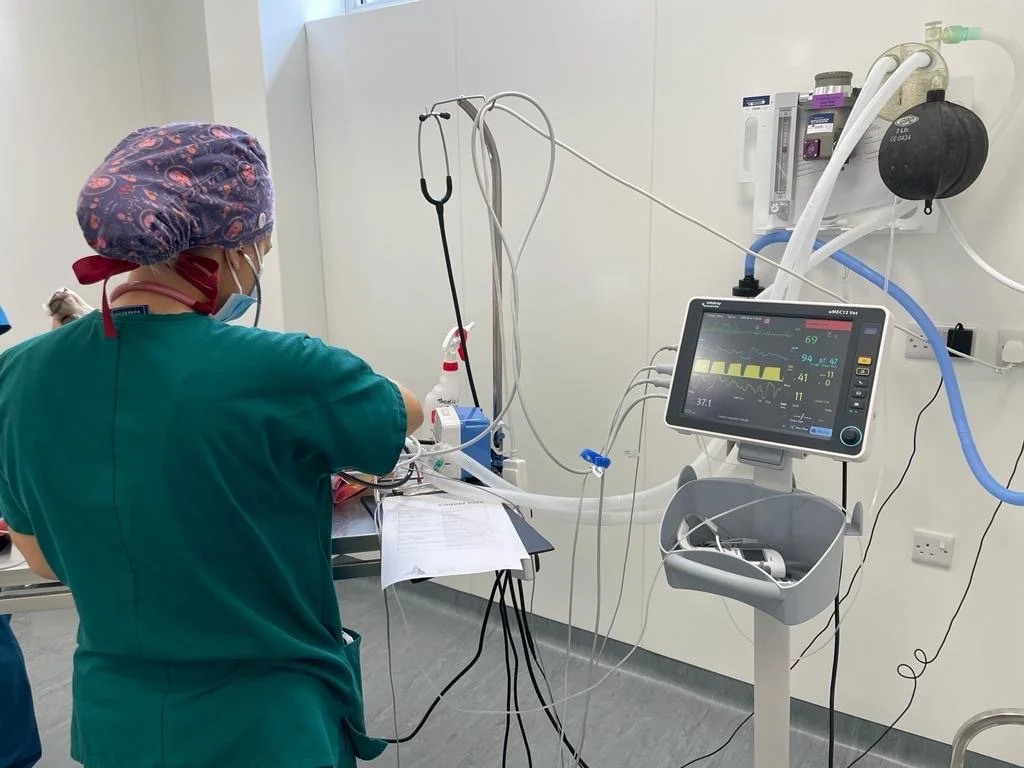
Coquet Vets’ RVN’s (Image: © Coquet Vets)
Registered Veterinary Nurses (RVN’s) are highly skilled and trained professionals who provide care for the animals in practice. They play a vital role in clinical support, client care, and client education. There are many responsibilities of an RVN, including: Theatre support, handling medications, consultations, radiography, lab work, inpatient care, minor surgical procedures, emergency and critical care, and client education.
Theatre
Veterinary surgeons will seek the assistance of RVN’s to place intravenous catheters, induce anaesthesia, and place endotracheal tubes to secure the airway before moving into theatre.
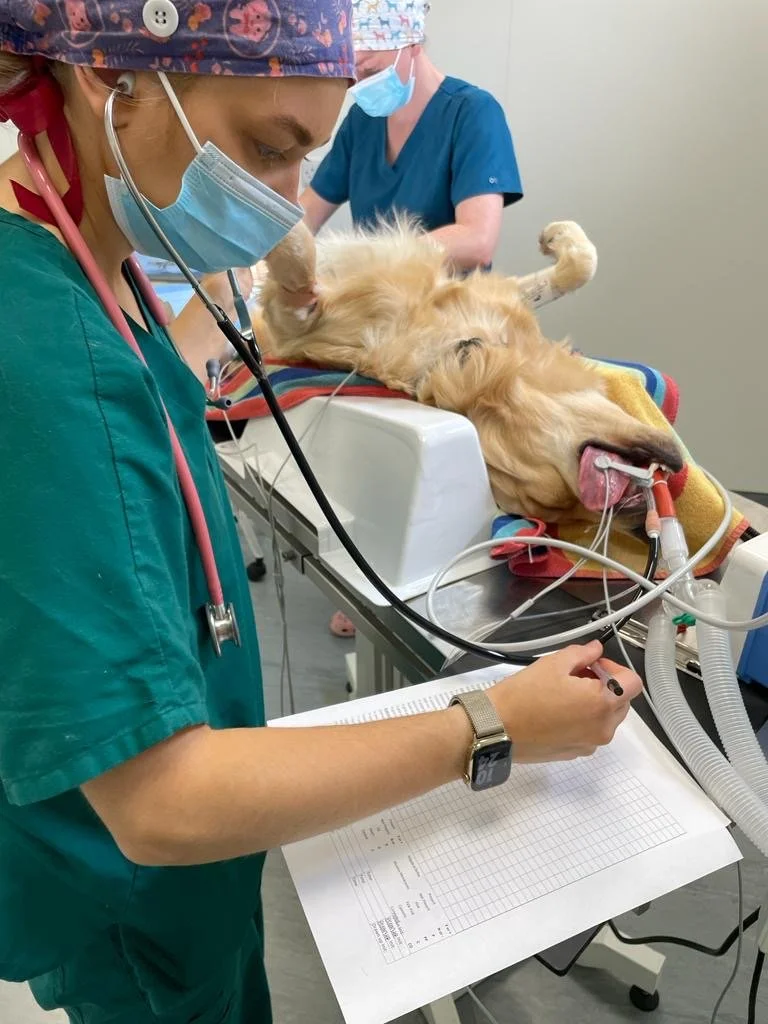
Image: © Coquet Vets. Provided with permission from the pet owner.
RVN’s play a vital role in monitoring and maintaining animals under anaesthesia during surgery. This requires constant attention and up-to-date knowledge. RVN’s are also responsible for calculating and administering patients’ drugs before and during surgery, as directed by the vet.
RVN’s can also scrub into procedures to assist the vet during surgery. This involves wearing sterile gloves and a gown to pass instruments, hold tissues, and just be there as an extra pair of hands if required.
Consultations
RVN’s conduct nurse-led appointments to allow more thorough conversations with owners and build stronger bonds. It is important to note that RVN’s cannot diagnose or prescribe, so they may need the assistance of a vet if a client requires this.
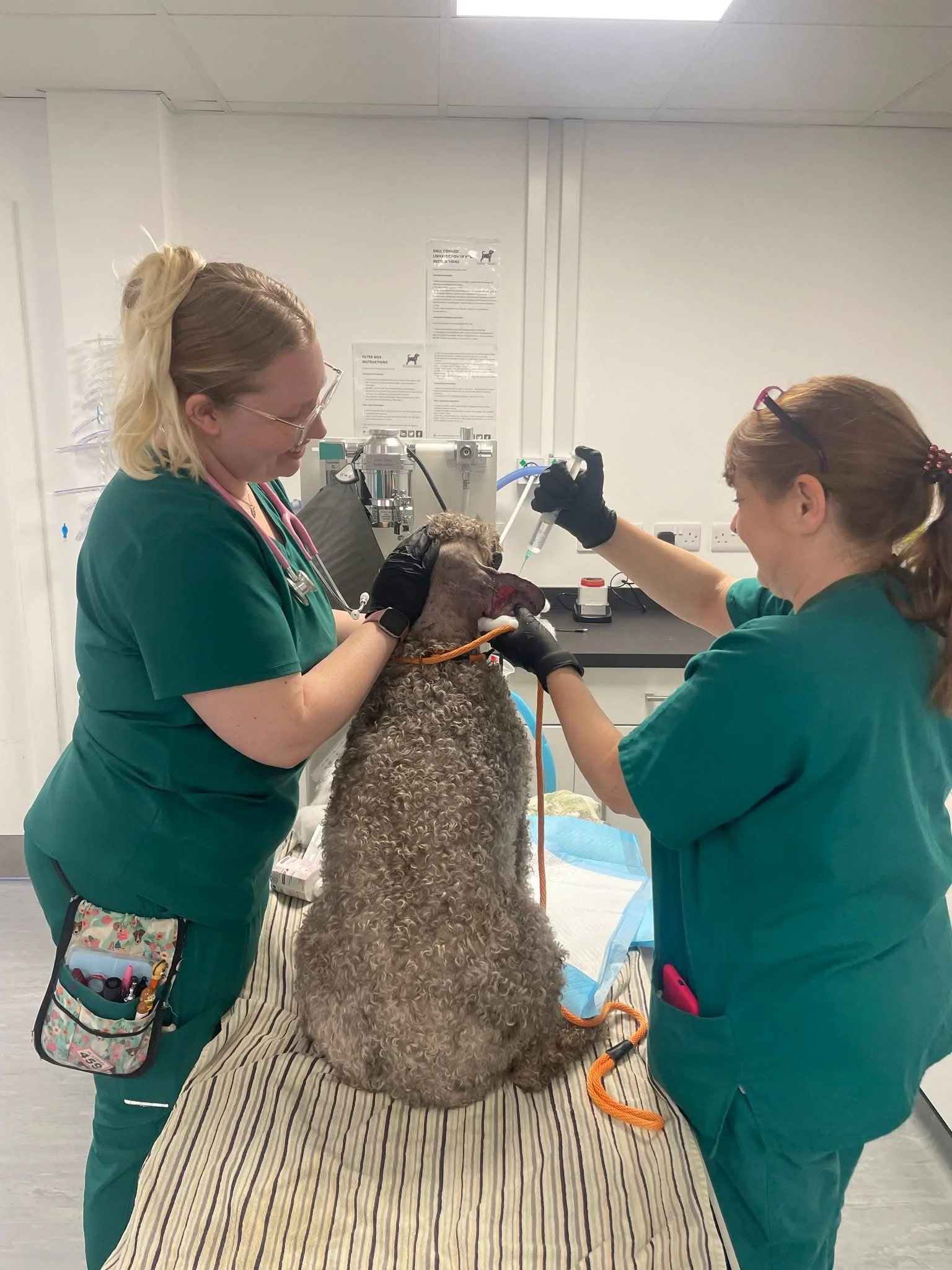
Image: © Coquet Vets. Provided with permission from the pet owner.
RVN’s can perform second vaccinations, weight clinics, parasite prevention checks, nail clipping, microchipping, anal gland expression, post operative checks, chronic condition management, triage / first aid, and many more.
Inpatient care
RVN’s play a critical role in inpatient care, as they are responsible for managing and monitoring hospitalised patients. Their responsibilities range from basic nursing care to complex medical and surgical support.
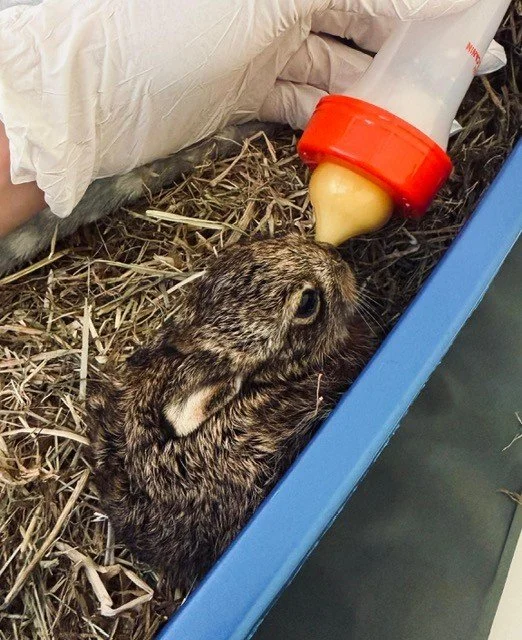
Image: © Coquet Vets. Provided with permission from the pet owner.
RVN’s will regularly monitor vital signs, use pain scores to assess animals, and communicate any changes in condition to the vet.
RVN’s are also responsible for calculating and administering fluid therapy and medications.
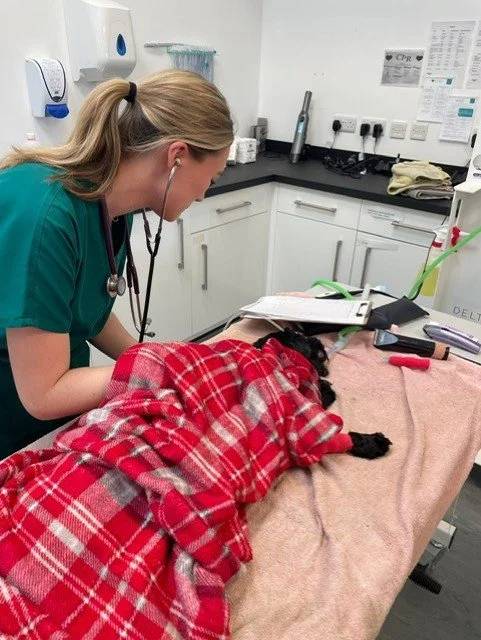
Image: © Coquet Vets. Provided with permission from the pet owner.
RVN’s will also clean wounds and perform bandage changes. They will also take blood and urine samples to run the appropriate tests in the lab.
Minor surgical procedures
Under The Veterinary Surgeons Act Schedule 3, RVN’s can perform minor surgical procedures. This includes suturing skin wounds, performing dental scaling and polishing, removing some small masses, amputations, biopsies, and catheterisation.
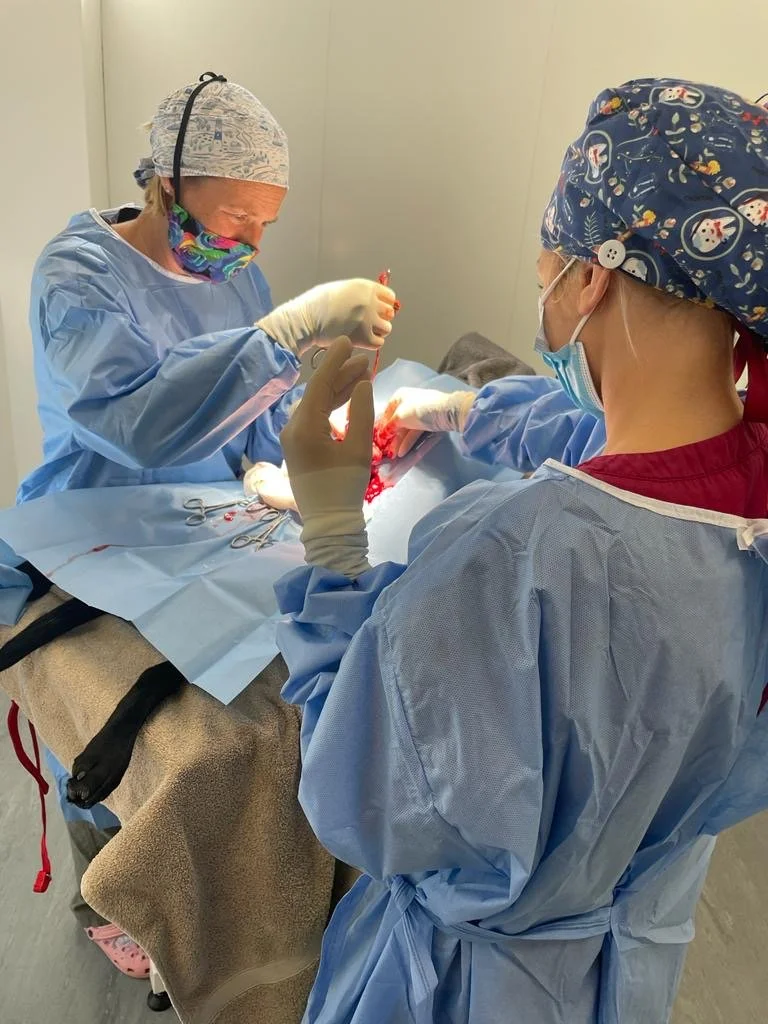
Image: © Coquet Vets. Provided with permission from the pet owner.
It is important to note that these procedures can only be performed under the direction of the veterinary surgeon, who must be happy that the RVN is competent to do so.
To find out more about our team of RVN’s at Coquet Vets, see our recent article “Meet Our Registered Veterinary Nurses”.
