

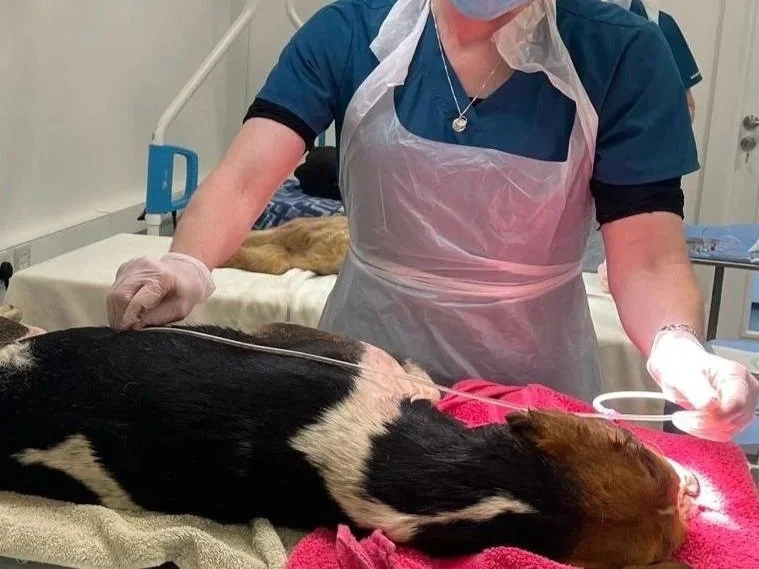
Image: Coquet Vets
While no one likes to think about their pet becoming ill or injured, unexpected veterinary costs can arise at any stage of a pet's life. Pet insurance helps provide financial support when treatment is needed, allowing owners to focus on their pet's care rather than worrying about how to pay for it.
Modern veterinary medicine has advanced enormously in recent years. Many conditions that were once untreatable can now be successfully managed or cured.
Veterinary practices can offer:
Advanced diagnostic imaging such as CT and MRI scans
Orthopaedic surgery
Cancer treatments
Specialist referrals
Long-term management of chronic diseases
Emergency and intensive care
These treatments can significantly improve quality of life and outcomes for pets, but they can also be expensive. Insurance can help cover some or all of these costs, depending on the policy.
Many owners assume insurance is only necessary for major accidents, but illness claims are often more common. For example, diabetes, skin allergies, arthritis, gastrointestinal disorders, or kidney disease. Even relatively straightforward conditions can require ongoing medication, blood tests, and monitoring over many years.
Not all insurance policies are the same, so it is important to understand the differences.
Lifetime policies are generally considered the most comprehensive option. A financial limit is provided each year for conditions that develop while the policy is active. As long as the policy is renewed and terms are met, cover for ongoing conditions can continue year after year.
Time-Limited policies typically provide cover for a condition for a set period, often 12 months. After this period, the condition is usually excluded from future claims.
Maximum Benefit policies provide a fixed amount of money per condition. Once the financial limit is reached, no further claims can be made for that condition.
Accident-Only Policies cover injuries caused by accidents but do not usually cover illnesses. While premiums may be lower, the level of protection is much more limited.
Insurance is often most affordable when pets are young and healthy. Most policies do not cover pre-existing conditions, meaning illnesses or injuries that occur before the policy starts are generally excluded. For this reason, waiting until a problem develops is usually too late. Taking out insurance early can help ensure your pet has the broadest possible cover throughout their life.
Most policies require owners to pay an excess towards a claim. This is the amount paid by the owner before the insurer contributes. For older pets, some policies may also require a percentage contribution towards treatment costs in addition to the excess. Every policy is different, but common exclusions may include pre-existing conditions, neutering, elective procedures, some dental treatments, or pregnancy-related costs.
Every pet and family is different, and there is no single insurance policy that suits everyone. However, we strongly encourage owners to consider pet insurance while their pet is young and healthy. Insurance can provide peace of mind and help ensure that treatment decisions are based on what is best for your pet rather than financial constraints.
As a recognised Vetsure-accredited practice, we benefit from active communication channels with the Vetsure team. For our clients who use Vetsure insurance products, we can obtain pre-authorisation prior to starting treatment and can help make the claim process as easy as possible. While we cannot recommend specific insurance companies, our team is happy to discuss the various options available and help you to understand what features to consider when choosing a policy.
If you are considering pet insurance and have questions about how it works, don’t hesitate to get in touch on 01665 252 250 or to speak with one of our team at your next visit.
