

Image by Ashley Levinson
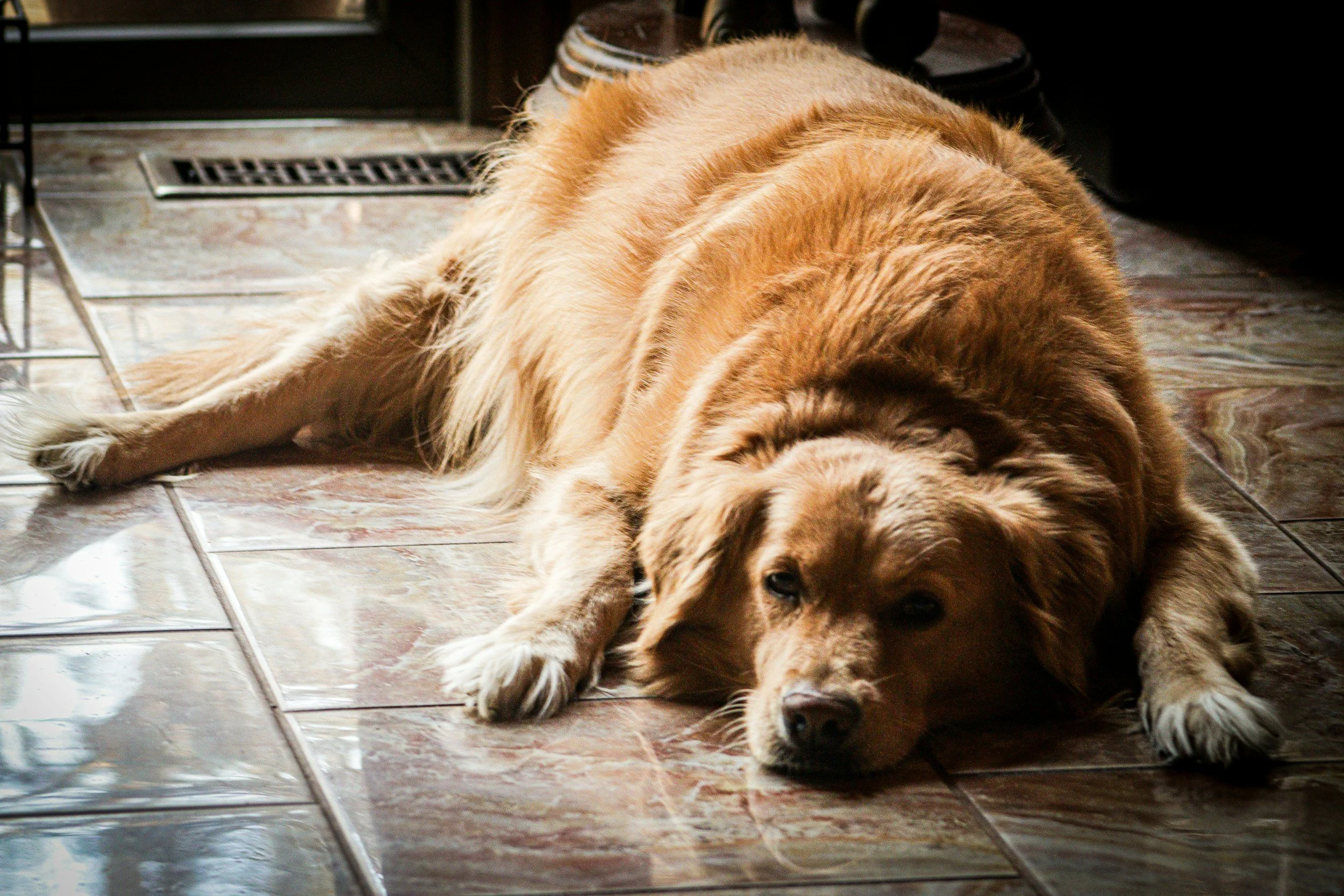
Pet obesity is one of the most common health problems seen in veterinary practice today. Many owners are surprised to learn that a few extra kilograms can significantly impact their pet's health, comfort, and lifespan.
Studies suggest that over half of dogs and cats are overweight or obese. Because weight gain often happens gradually, it can be difficult to notice until health problems begin to develop. The good news is that obesity is preventable and manageable with the right nutrition, exercise, and feeding habits.
Understanding Body Condition Score (BCS)
Veterinary professionals commonly use a Body Condition Score (BCS) to assess whether a pet is underweight, ideal weight, overweight, or obese.
The scoring system ranges from 1 to 9:
1-3: Underweight
4-5: Ideal body condition
6-7: Overweight
8-9: Obese
A pet at an ideal weight should have:
Ribs that can be felt easily with light pressure
A visible waist when viewed from above
A tucked abdomen when viewed from the side
If the ribs are difficult to feel beneath a layer of fat, the waist is absent, or the abdomen hangs down, your pet may be carrying excess weight. Even being just 10-20% above ideal body weight can increase health risks.
How Pets Gain Weight
Just like people, pets gain weight when they consume more calories than they burn. Many owners carefully measure meals but overlook additional calories from treats, table scraps, and snacks throughout the day.
For a small dog requiring only 300-400 calories per day, these extras can quickly add up. A useful rule is that treats should make up no more than 10% of your pet's daily calorie intake.
Many human foods are far more calorie-dense than owners realise. A small piece of cheese, slice of ham, or portion of roast dinner may seem insignificant to us but can represent a large percentage of a pet's daily calorie allowance.
For a 10 kg dog, a single digestive biscuit may be equivalent to a person eating several chocolate bars in one sitting.
Using digital kitchen scales to weigh food accurately is one of the most effective ways to prevent weight gain. Even an extra 10-15 grams of dry food per meal can result in significant weight gain over time.
Helping Your Pet Maintain a Healthy Weight
Excess body fat places strain on nearly every organ system. Overweight pets are at increased risk of:
Arthritis
Diabetes
Increased anaesthetic risk
Reduced life expectancy
Heart and respiratory problems
Exercise requirements vary depending on age, breed, and health status. Most adult dogs’ benefit from at least 30-60 minutes of exercise daily. Active breeds may require considerably more. Exercise can include walks, play sessions, scent games, swimming, and training activities.
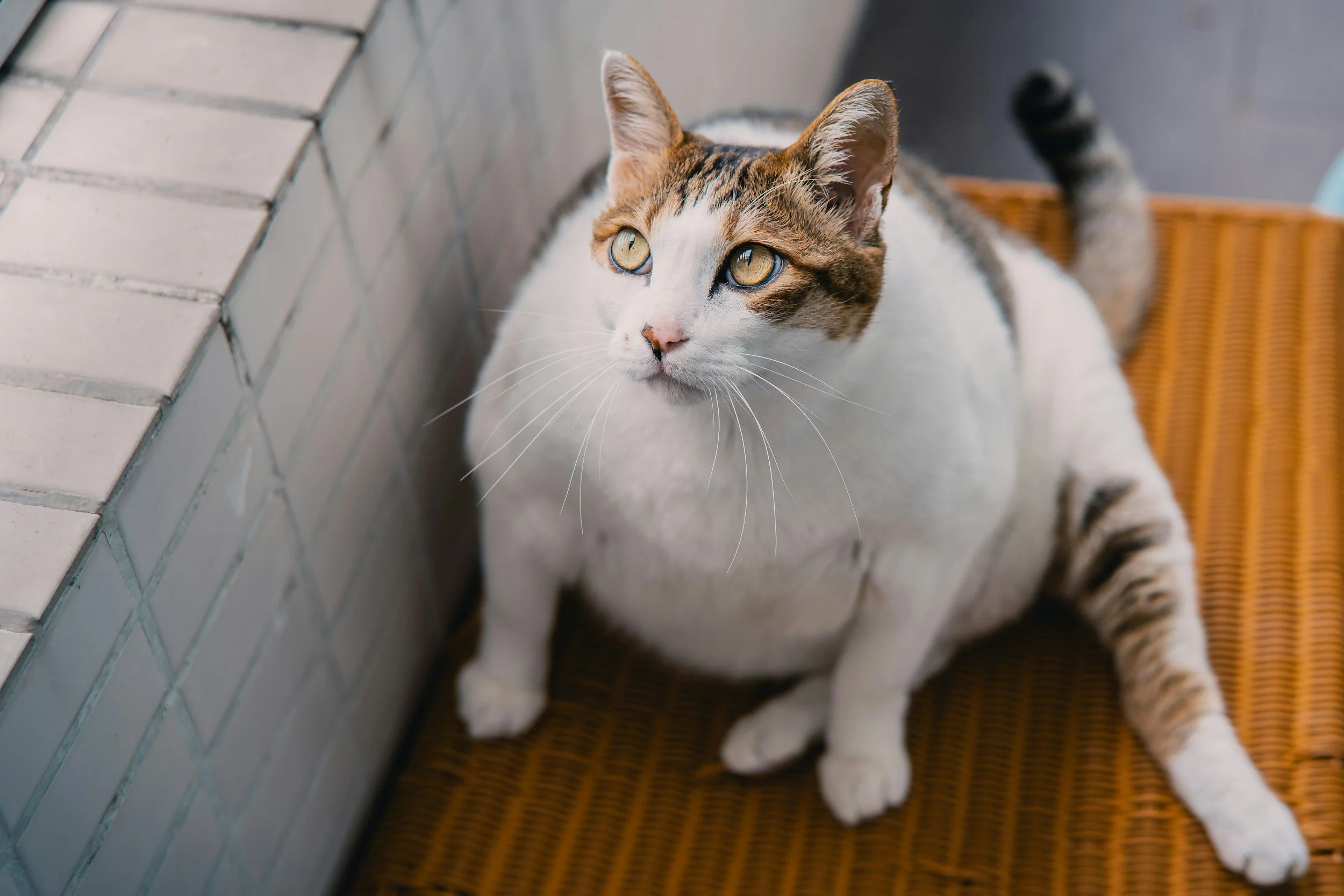
Image by Sherman Kwan
For cats, you should aim for several short play sessions each day. Use interactive toys, climbing structures, puzzle feeders, and food-dispensing toys to encourage movement.
Exercise should be increased gradually, especially for overweight pets, to avoid injury or excessive strain.
By maintaining a healthy weight, you can help your pet enjoy improved mobility, better quality of life, and potentially a longer lifespan.
If you are concerned about your pet's weight, speak to one of our veterinary team here at Coquet Vets. We can assess your pet's body condition score, calculate their daily calorie requirements, and create a safe, tailored weight-management plan.
