

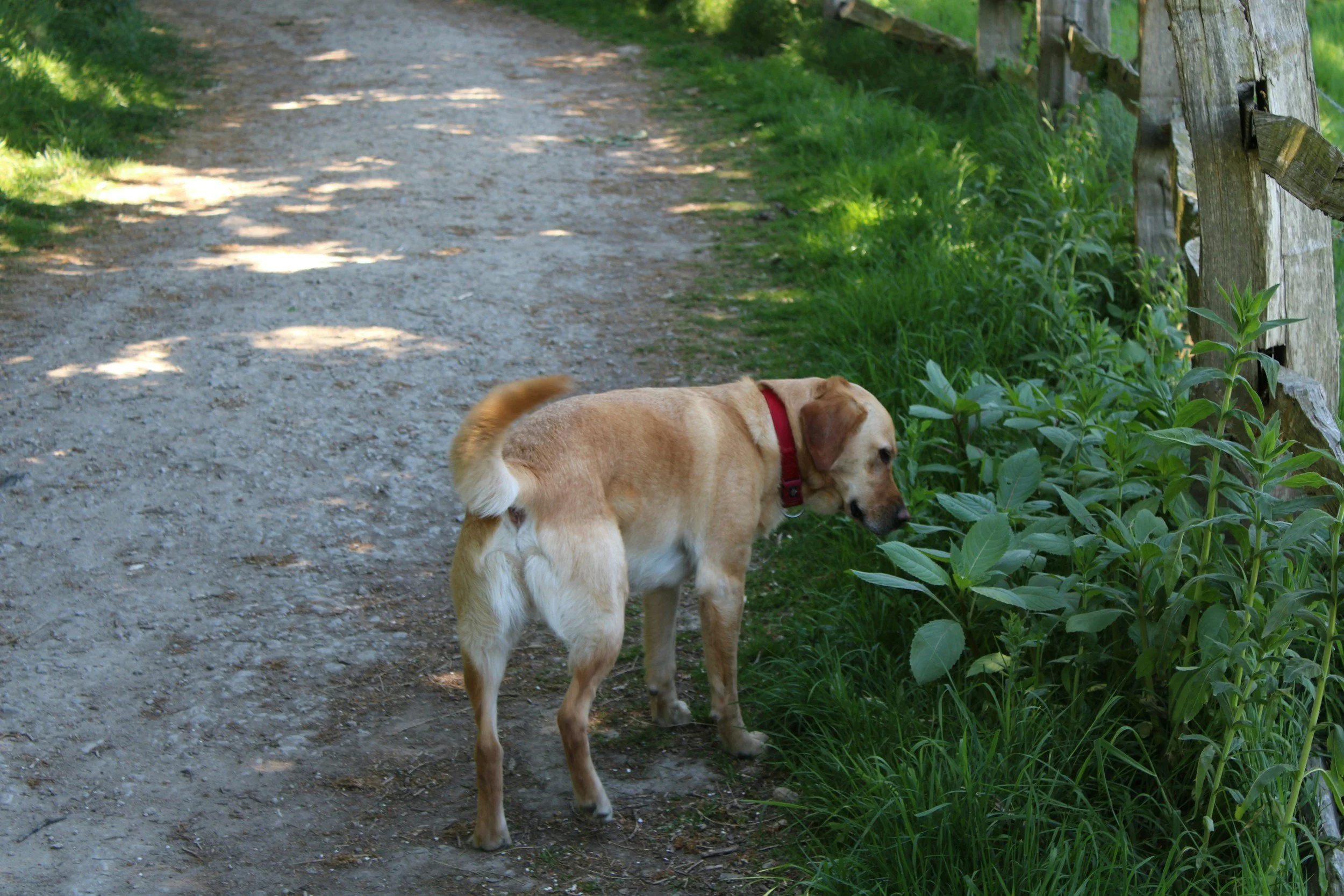
Image by Ben Marler
Many common garden and household plants can be toxic to pets. The most obvious way to know whether your pet has eaten a dangerous plant is if you see them eating it. If this happens, please contact us immediately.
However, pets often eat plants when their owners are not present, so you may not realise your pet has eaten a poisonous plant until they start to show some symptoms.
Signs of Plant Toxicity in Pets
Symptoms of plant toxicity or poisoning can vary depending on the plant involved and the amount consumed. Your pet may show some or all of the following signs:
Low energy
Vomiting
Diarrhoea
Blood in the poo
Drinking/peeing more
Pale gums
Twitching
Tremors/seizures (fits)
Struggling to breathe
Collapse
Drooling
Eating less/not eating
In addition to plants that are poisonous when eaten, some plants can irritate the skin and mouth. In these instances, your pet may show some or all of the following signs:
Rashes or red skin
Ulcers
Swelling on the lips, tongue, or gums
Common Plants That Are Poisonous to Pets
Examples of plants that can be harmful to pets include:
Lillies (very dangerous to cats)
Tomato leaves (unripe fruit on tomato plants)
Rhubarb (cooked or raw)
Daffodil
Iris
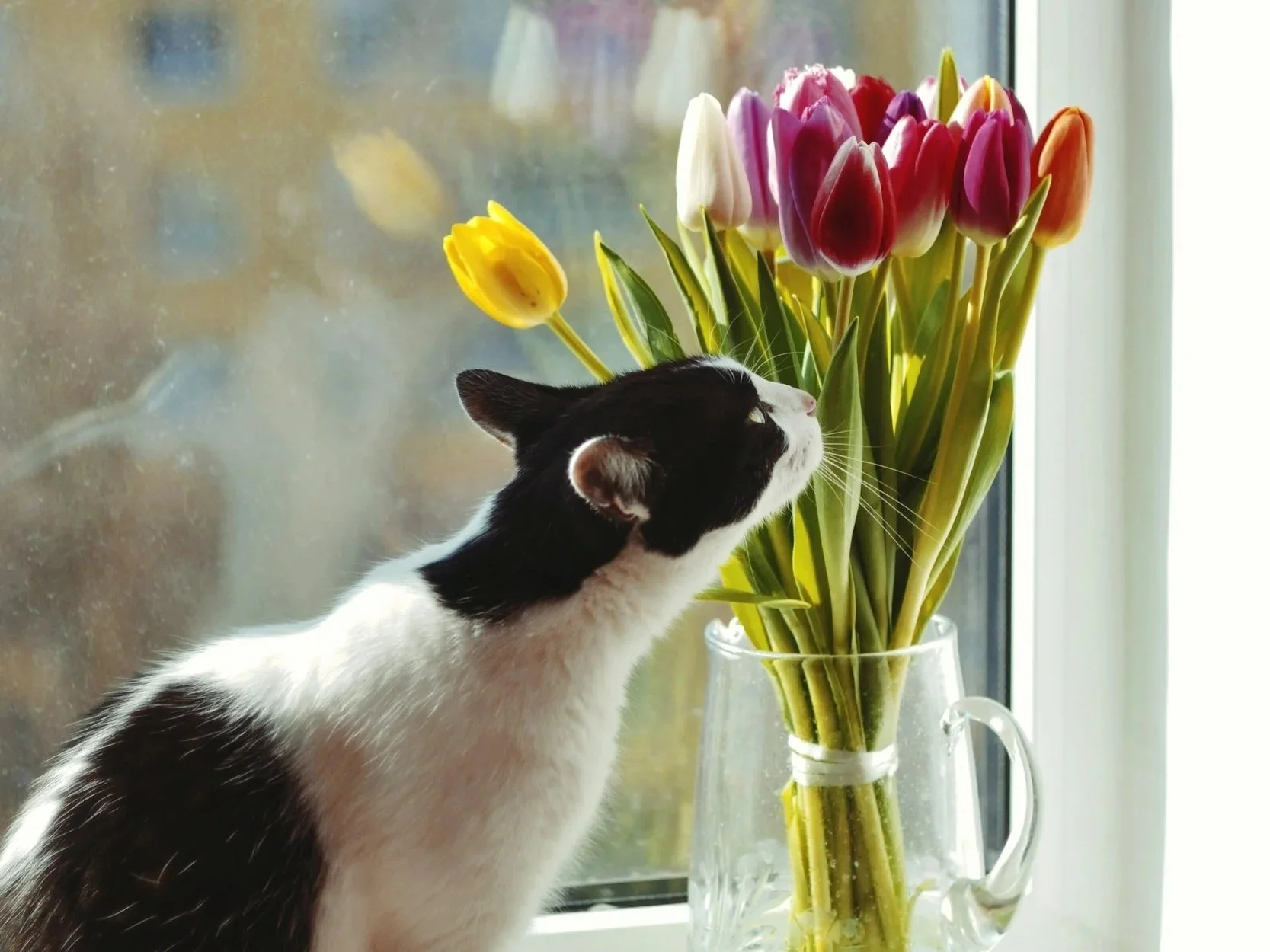
Image by Renata Kurtveliieva-Berezhna
Tulips
Azalea
Hyacinth
Crocus
Foxglove
Aloe Vera
Grape vines and grapes
Sago Palm
Peace Lily
Holly
Ivy
Snowdrops
Poinsettia
Mistletoe
If You Think Your Pet Has Eaten a Poisonous Plant
If you suspect your pet has eaten a toxic plant, contact us at Coquet Vets as soon as possible, even if they are not yet showing symptoms.
For a more information and a more comprehensive list of plants that are poisonous to pets, please visit the PDSA website.
