


Photo: Jack Russell Terrier / © Coquet Vets
The Jack Russell Terrier was bred in the 1800’s as a working dog to flush out foxes that had gone to ground on a hunt. As well as needing to keep up with the hounds on a hunt, they also needed to be small and agile enough to fit down a foxes’ den or to dig out the fox.
Despite their working background, the Jack Russell has since become a popular family pet. However, many still carry the traits of a working dog, and for their small size, they are a very high energy breed.

Photo: Jack Russell’s are a high energy breed for their small size / © Coquet Vets
Whilst they can make a great family pet, if they lack mental stimulation, Jack Russell’s can easily become bored and destructive in the home. They can also be stubborn and vocal little dogs, and if not socialised from an early age, they can become aggressive towards humans and other animals.

Photo: Jack Russell’s can get bored easily / © Coquet Vets
However, with the correct training, they can live happily alongside smaller pets and cats. They are also fun-loving dogs who like nothing more than to be curled up on their owner’s lap. The cheeky nature of a Jack Russell will always bring a smile, and they are quick learners who are eager to please. Due to this trait, they excel in agility and flyball, and love to play.
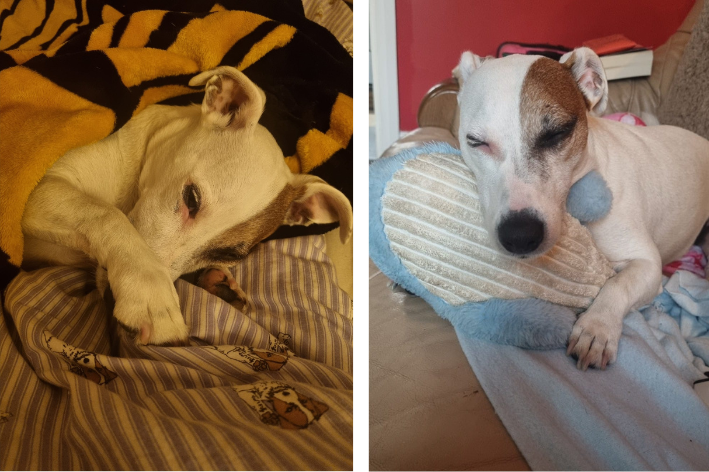
Photo: Jack Russell’s love to spend time with their owners / © Coquet Vets
If you are considering getting this breed, be prepared to train and socialise them from an early age to encourage positive behaviours, manage their energy levels with plenty of physical exercise, and keep them entertained with lots of interactive games and training to ensure they are mentally stimulated to avoid boredom.
