

Image: Coquet Vets
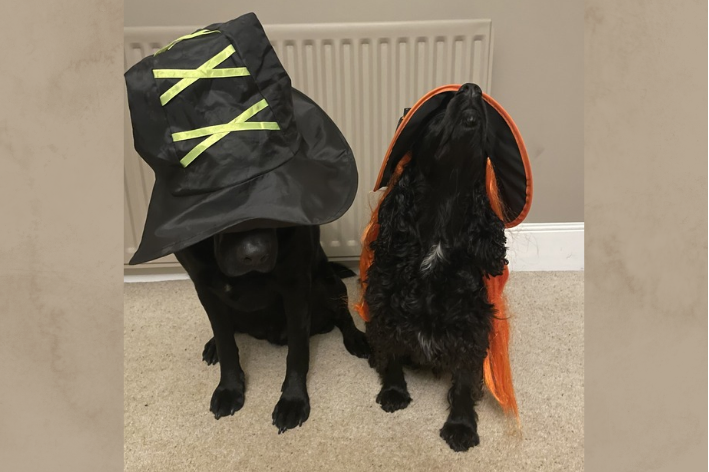
Whilst Halloween is great fun for children, it is important to be aware of the increased risks it can pose to pets. From hazardous foods and chocolate poisoning to burning candles and a constant stream of visitors at the door, Halloween can be a stressful and potentially dangerous time for both pets and their owners.
Chocolate Poisoning in Dogs
Chocolate is toxic to dogs because it contains the chemicals theobromine and caffeine. Unlike humans, dogs are unable to metabolise these substances efficiently. The amount of theobromine varies depending on the type of chocolate, with darker and more bitter chocolates containing higher levels and therefore posing a greater risk.
Common clinical signs include:
Vomiting
Diarrhea
Increased thirst
Panting or restlessness
Excessive urination
Racing heart rate
In severe cases - muscle tremors, seizures, and heart failure can be seen.
Xylitol Poisoning in Dogs
Xylitol is an artificial sweetener commonly found in hard sweets, chewing gum, mints, and sugar-free products that may be given out as treats during Halloween.
If a dog consumes xylitol, it is rapidly absorbed into the bloodstream and can trigger a significant release of insulin. This can cause a rapid and dangerous drop in blood sugar levels (hypoglycaemia), sometimes within just 10 to 60 minutes of ingestion. Left untreated, hypoglycaemia can be life-threatening.
Clinical signs and symptoms of xylitol poisoning often develop quickly, usually within 15 to 30 minutes of consumption. Symptoms may include some or all of the following:
Vomiting
Weakness
Lack of coordination or difficulty walking or standing
Depression or lethargy
Tremors and seizures
Raisin, Grape, and Currant Poisoning in Dogs
Dogs should never eat grapes, raisins, or currants, as they can be highly toxic. One of the most serious complications of grape or raisin poisoning is that it can cause severe kidney damage, which can lead to sudden kidney failure with a lack of urine production.
Signs of grape and raisin poisoning in dogs may include a combination of the following:
Vomiting and/or diarrhoea – often within a few hours of ingestion. Vomit and faeces may contain pieces of grapes or raisin.
Loss of appetite
Lethargy or weakness
Unusual quietness
Abdominal pain
Dehydration
Oliguria (passing only a small amount of urine)
Anuria (complete cessation of urine)
Foul-smelling breath
Oral ulcers
Tremors
Seizures
Hazards of Snack and Sweetie Bags
Plastic snack and sweetie bags are often left unattended during Halloween. Curious pets with a keen sense of smell may be tempted to investigate the contents of a bag.
In addition to the potential dangers posed by the treats inside, pets can get their head stuck inside a plastic bag, which can cause panic and stress.
If this happens, your pet will start panting, breathing in the small amount of air in the bag. This can cause the bag to create a vacuum-like seal around their face. This will be very distressing, and in severe cases, this can result in suffocation and may prove fatal.
Increased Risk of Pet Stress
Constant knocking, doorbell ringing, and the parade of unfamiliar visitors at your house during Halloween can heighten anxiety and stress for your pet.
Signs of stress may include a reduced appetite, change in behaviour, and not wanting to go outside to pass urine or faeces, which can lead to accidents in the house.
To help reduce stress, consider keeping your pet in a quiet room away from the front door where the increased commotion of Halloween activities won’t bother them. To help your pet feel more safe and secure, ensure there is a comfortable bed for them with plenty of toys for company and entertainment.
Hazards of Open-Flame Candles
From illuminated carved pumpkins to candle displays, open flames are a common feature of Halloween. However, this can present a significant risk to pets.
Dogs and cats can easily knock over candles or brush against an open flame, which could result in severe and painful burns, and even house fires.
To mitigate the risk, keep candles well out of reach from your pets or opt for battery-powered or rechargeable LED candles that provide a similar effect without the risk of an open flame.
A few simple precautions can help to ensure that Halloween remains enjoyable for everyone, including your pets. Keep sweets and treats safely out of reach, avoid leaving bags unattended, provide your pet with a quiet retreat away from the excitement, and take extra care when using decorations with open flames.
If you suspect your pet has eaten something potentially toxic or is showing signs of illness, contact us at Coquet Vets immediately for advice by calling 01665 252 250.
