


Image: © Andres Arbelaez
As our pets grow older, their healthcare needs change. Just like people, senior pets benefit from regular health monitoring to help them stay comfortable, active, and happy in their later years. Many age-related conditions develop gradually and can be difficult to spot at home. That's why routine veterinary care becomes increasingly important as pets enter their senior years.
Senior pets often benefit from health assessments every six months. Regular examinations allow us to identify subtle changes early and discuss any concerns you may have about your pet's behaviour, mobility, appetite, or quality of life.
Changes in weight can be one of the earliest signs of underlying health issues. Weight loss may indicate conditions such as kidney disease, hyperthyroidism, diabetes, or dental disease, while weight gain can contribute to arthritis, heart disease, and reduced mobility. Monitoring your pet's weight throughout the year helps us detect trends and take action before problems become more serious.
Many owners assume that slowing down is simply part of getting older, but it can often be a sign of discomfort. Arthritis is one of the most common conditions affecting senior pets. Signs may include reluctance to jump or climb stairs, difficulty getting up after resting, stiffness, especially after exercise, or reduced enthusiasm for walks or play. Regular mobility assessments help us identify pain early and discuss treatment options that can improve comfort and quality of life.
High blood pressure can occur in older pets, particularly cats, and may go unnoticed until significant damage has occurred. Routine blood pressure monitoring can help detect problems early and reduce the risk of complications.
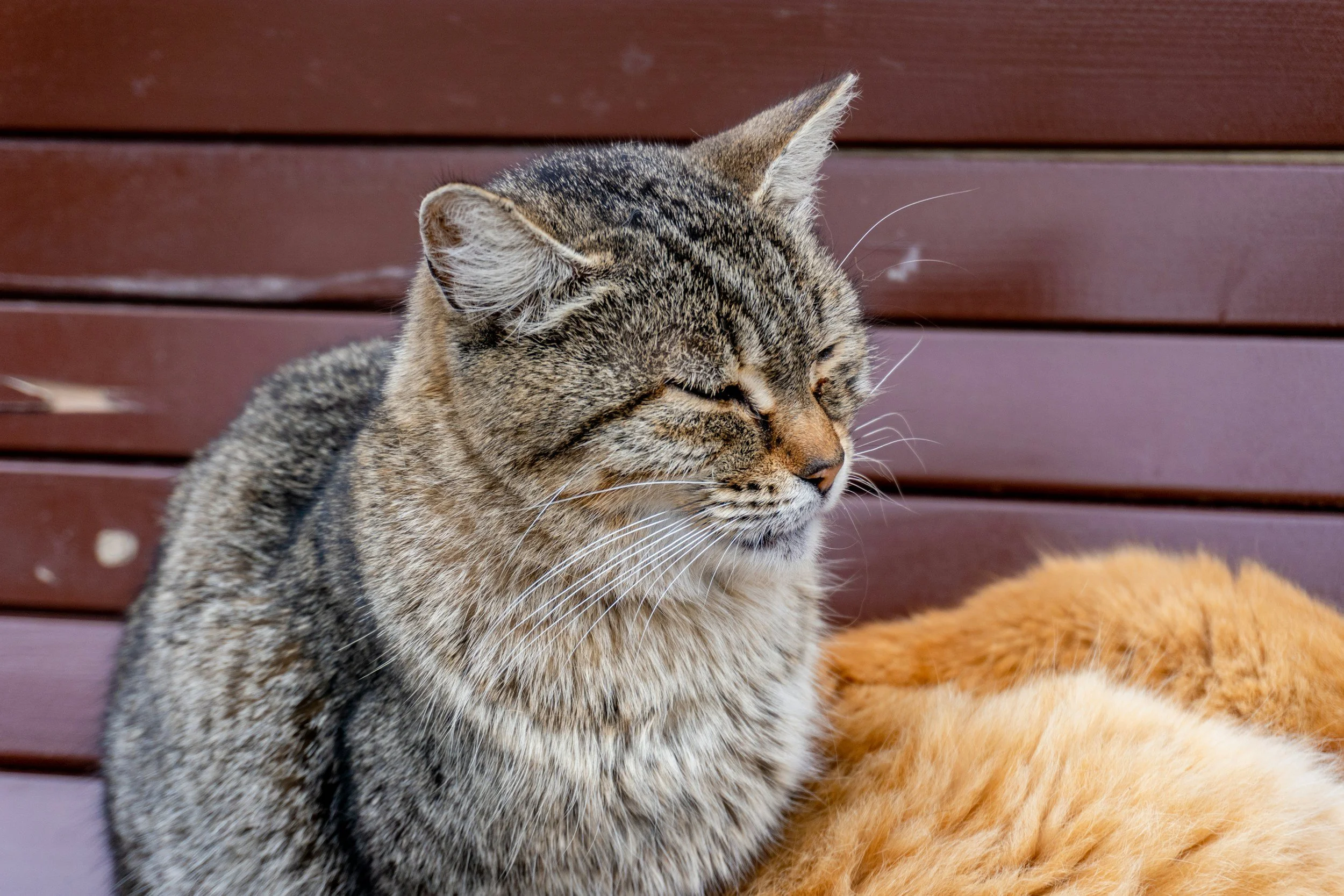
Image: © Zulfugar Karimov
Dental disease is extremely common in older pets and can affect much more than the mouth. Painful teeth and gums can impact eating, behaviour, and overall wellbeing. During routine examinations, we assess your pet's oral health and discuss any treatment that may be needed.
Growing older doesn't mean your pet can't continue to enjoy a happy and fulfilling life. With regular health checks, early detection of age-related conditions, and appropriate treatment when needed, many senior pets can remain active and comfortable for years to come. If your pet is entering their senior years, speak to our team about the health checks and screening options available.
